
Call For Submissions + Note From The Editorial Collective

We’re back, asking for submissions for the 2026 Earthbound Farmer’s Almanac! We encourage all interested parties to send us their pitches by September 15. Final articles should be ~750-1500 words but pitches should be short explanations of what you want to submit! (Like a paragraph, or more if you have it, but if not all good.) Reach us by email (lobeliacommons at protonmail dot com).
As with last year, we are giving the next almanac a loose theme, this time around migration and farm work. The editorial note from the 2025 Almanac lays out the urgency as best we can, so here it is reprinted below:
What does it mean to be earthbound? By what actions do we bind ourselves to the Earth? The answer depends on one’s position. It is different at different times and places. The same crisis that severs people from the land is also sweeping an increasing number of us out of housing. This year, we have dedicated the almanac to exploring escape routes from this dictatorship of private property. How do we live together on the land? What works? What doesn’t? What movements— possibly from distant places or distant times—might we learn from? How do we build beneficial relations with other beings in our ecosystems, living upon the soil in a way that feeds us while nourishing that soil? In this age of turmoil, solving these problems is a matter of life and death. We’ve tried to gather in these pages some wisdom, questions, practical guidance and joy from people who have passed this way before us, in hopes we can all find our way home to the land.
But we can’t stop there.
For everyone alive today, to be earthbound is first and foremost a matter of warfare. For colonized people, this has always been the situation: To be earthbound despite an empire attempting to tear you from the land requires particular sets of practices and techniques.
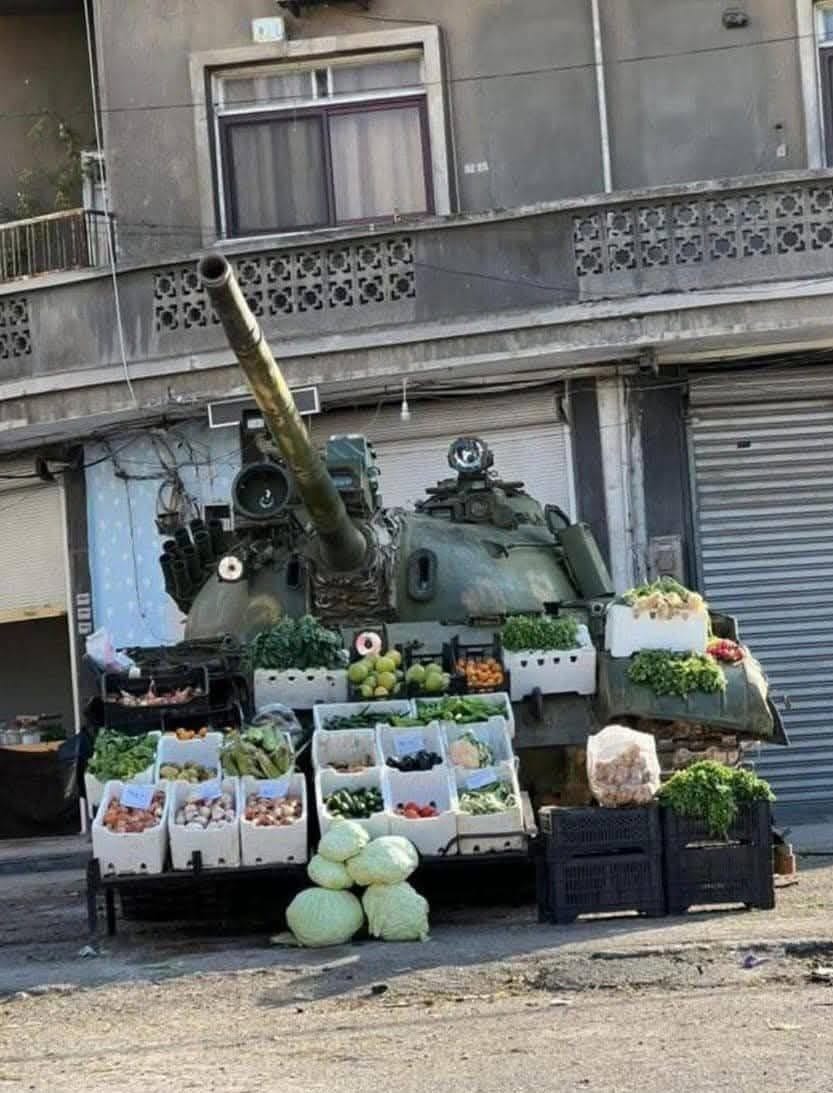
For the colonizer, the violence of the colonial relationship has also always led to a severing from the Earth. No matter how much the colonizer’s hands are in the dirt, they cannot overcome that apartness except by joining the colonized in the violent rupturing of the colonial order.
In this moment, when the factions of humanity at war with the Earth have escalated their attacks and openly tout their plan to leave the Earth after destroying it, it should be obvious that being earthbound cannot mean burying our heads in the sand. It cannot mean tending little plots we are permitted to own, cultivating some individualistic “connection” to the land while ICE agents round up whole families for deportation and armed drones hover over the heads of children in Gaza.
For our part, if one of our goals with this almanac is discussing and imagining alternate food systems, we have not done enough to think through how these embryonic beginnings might connect with the struggles of millions of migrant farm laborers whose hard labor runs the actual food system. What will it take to counter the apparatus of anti-immigrant myths and state violence being directed against them? How do we move toward a food system run by these workers, in which their knowledge and expertise is neither undervalued nor exploited, but instead allowed to flourish for the benefit of all? We look forward to your submissions of stories, proposals, ideas and experiments addressing these questions for next year’s almanac.
This piece appeared originally in the 2025 Earthbound Farmer's Almanac.